Heavy Rain in Central Florida: How to Protect Your Roof Before, During and After a Storm

By David Leli
Commercial Roofing Consultant
Nov 20, 2026
7-minute read
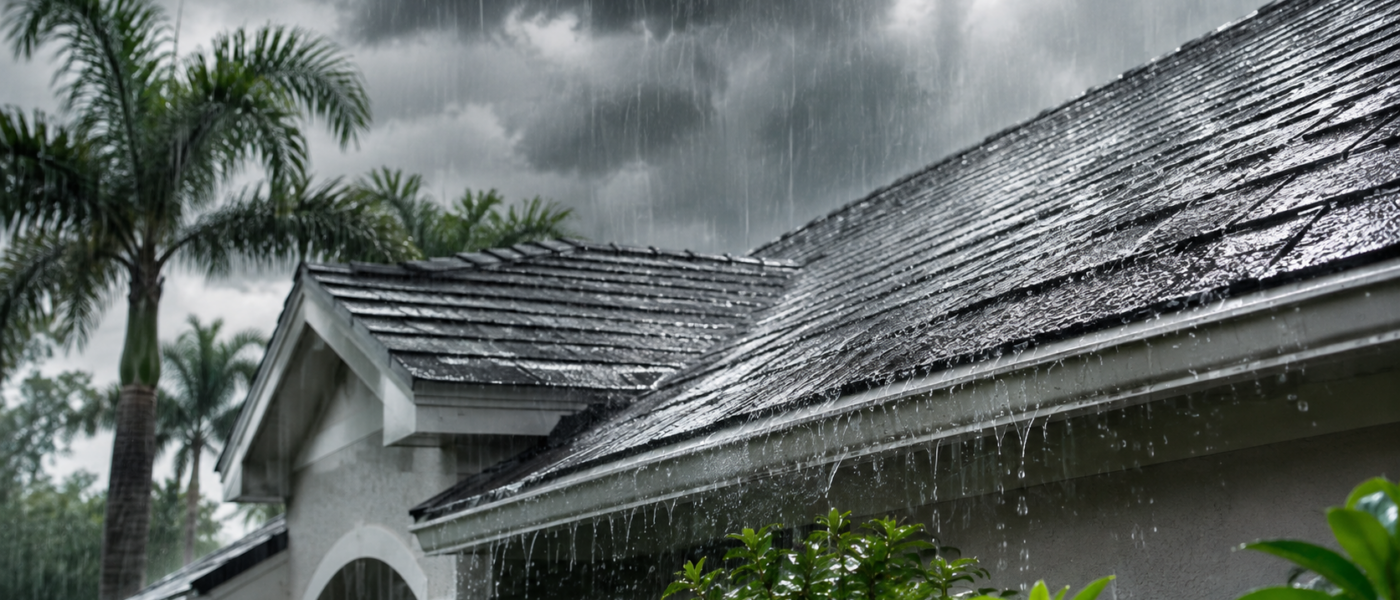
Florida homeowners know that heavy rain can arrive quickly and sometimes stick around longer than expected. Whether it’s an afternoon thunderstorm or several days of steady rainfall, prolonged exposure to water can reveal roofing problems that might otherwise go unnoticed.
While roofs are designed to withstand the elements, even a small vulnerability can allow water to enter your home. A loose shingle, cracked tile, deteriorated flashing or clogged gutter can become a much bigger problem when heavy rain moves through Central Florida.
Knowing what to look for before and after a storm, and what to do if you discover a leak, can help minimize damage and potentially save thousands of dollars in repairs.
Before the Rain: Warning Signs Your Roof May Be Vulnerable
You don’t have to wait for water to start dripping from your ceiling to identify a potential roofing problem. In fact, some of the most important warning signs can be spotted before the next storm arrives.
Here are five things homeowners should look for:
1. Missing, Cracked or Loose Roofing Materials
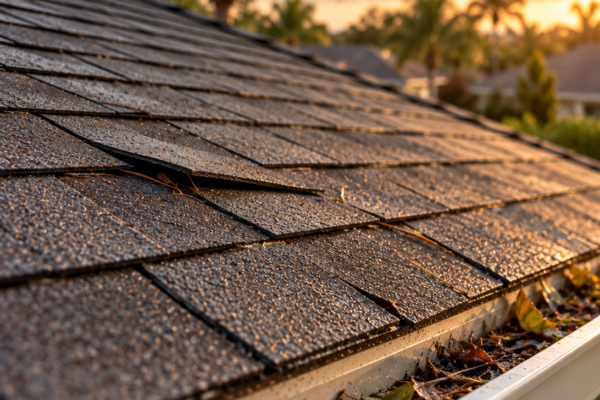
Take a look at your roof from the ground. Missing shingles, lifted edges, cracked tiles or areas that appear uneven can indicate potential trouble. These openings may allow wind-driven rain to reach the underlying roofing components.
2. Clogged Gutters and Downspouts
Gutters are designed to move rainwater away from your roof and home. When leaves, branches and debris block that flow, water can overflow or back up along the roofline, increasing the risk of moisture intrusion.
3. Damaged Flashing and Roof Penetrations
Areas around chimneys, vents, skylights and other roof penetrations are particularly vulnerable to leaks. Flashing helps keep water out of these transitions, but it can loosen or deteriorate over time.
4. Existing Ceiling Stains
Have you noticed a faint brown spot on your ceiling or discoloration around a wall? Even if the area feels dry, it could indicate a previous leak that hasn’t been properly addressed. Heavy rainfall may cause the problem to return or worsen.
5. Overhanging Branches and Debris
Tree limbs hanging over your roof can cause damage during high winds, while accumulated leaves can interfere with drainage. Keeping nearby trees maintained and the roof clear of debris can help reduce potential problems.
Homeowners should never climb onto a wet or damaged roof to inspect these conditions. A professional roofing contractor can safely evaluate areas that aren’t visible from the ground.
During Heavy Rain: What to Do If Your Roof Starts Leaking
Discovering a roof leak in the middle of a storm can be stressful, especially when water is actively entering your home.
The most important thing is to act quickly while keeping safety a priority.
Step 1: Contain the Water
Place a bucket or waterproof container beneath the leak to collect dripping water. If possible, move furniture, electronics, rugs and other valuables away from the affected area.
Use towels to absorb water and help prevent damage to flooring.
Step 2: Watch for Electrical Hazards
If water is entering near light fixtures, outlets, electrical panels or appliances, stay clear of the affected area. Do not touch wet electrical equipment or attempt to operate switches nearby.
If power needs to be disconnected, only do so when it can be accomplished safely from a dry location. Otherwise, contact a qualified professional.
Step 3: Pay Attention to Your Ceiling
Water can accumulate above drywall, causing ceilings to sag, bubble or bulge.
If you notice significant sagging, cracking or a growing bulge, stay out of the area. A water-saturated ceiling can collapse without warning.
Do not attempt to puncture or drain a compromised ceiling yourself.
Step 4: Document the Damage
Take photos or videos of the leak, ceiling stains, water accumulation and any affected belongings, provided it’s safe to do so.
This documentation may be helpful when discussing repairs with your roofing contractor or contacting your insurance company.
Step 5: Contact a Professional Roofing Contractor
Don’t assume a leak will stop being a problem once the rain ends.
Water can travel along roof decking, framing and other materials before becoming visible inside your home. That means the location of the ceiling stain may not be directly below the source of the leak.
A professional roof inspection can help identify where water is entering and determine the appropriate repair.
Emergency Roof Tarping: A Temporary Solution When You Need Protection Fast
When a roof has sustained damage and water is actively entering a home, immediate permanent repairs may not always be possible, particularly during ongoing severe weather.
That’s where emergency roof tarping can help.
A professionally installed roof tarp provides temporary protection over damaged areas to help limit additional water intrusion until permanent repairs can be completed.
Emergency tarping may be necessary when:
- High winds have removed shingles or damaged roof tiles.
- Fallen branches or debris have created openings in the roof.
- An active leak is causing interior water damage.
- Severe weather prevents immediate permanent repairs.
- A damaged section of roofing needs temporary protection while repairs are scheduled.
It’s important to remember that a tarp is not a permanent repair. Once conditions are safe, a roofing professional should evaluate the damage and recommend the appropriate next steps.
Never attempt to install a tarp yourself during a storm or on a wet roof.
After the Rain: Don’t Assume Everything Is Fine Because the Leak Stopped
One of the biggest mistakes homeowners can make is assuming a roofing problem has resolved itself because the rain has stopped and the ceiling is no longer dripping.
Unfortunately, the absence of an active leak doesn’t necessarily mean the problem is gone.
After heavy rainfall, take time to check for these warning signs:
New Water Stains: Look for yellow or brown discoloration on ceilings, around windows or along interior walls.
Peeling Paint or Bubbling Drywall: Moisture trapped behind walls or ceilings can cause paint to blister and drywall to deteriorate.
Musty Odors: A persistent damp smell may indicate moisture in areas that aren’t immediately visible.
Wet Insulation: If your attic is safely accessible, look for signs of moisture or water staining without disturbing electrical components or stepping outside designated walking areas.
Roof Debris: Shingle fragments, roofing granules or broken tile pieces on the ground may indicate roof damage.
Standing Water: On flat or low-slope roof sections, water that remains pooled well after rainfall may signal a drainage problem.
If you notice any of these issues, schedule a professional inspection rather than waiting for the next storm.
Can a Small Roof Leak Really Cause Major Damage?
Absolutely.
Even a relatively small opening can allow moisture to enter the roofing system. When that happens repeatedly, the damage can extend beyond the original problem area.
Over time, unresolved leaks can contribute to:
- Deterioration of roof decking and other structural materials
- Damaged attic insulation
- Stained or weakened ceilings and drywall
- Mold and mildew growth in damp areas
- Damage to flooring, furniture and personal belongings
- More extensive and expensive roofing repairs
Florida’s humid climate can make lingering moisture particularly problematic.
The sooner a leak is identified and addressed, the better the opportunity to limit additional damage.
Does a Roof Leak Mean You Need a New Roof?
Not necessarily.
A leaking roof doesn’t automatically mean the entire roofing system needs to be replaced.
In some cases, the issue may be isolated to damaged flashing, a small section of roofing material or another localized problem that can be repaired.
However, if the roof is approaching the end of its expected service life, has widespread deterioration or has experienced repeated leaks, replacement may be the more practical long-term solution.
A professional roofing contractor can assess the condition of the roof, identify the source of the leak and explain whether repair or replacement makes the most sense.
Don’t Wait for the Next Downpour
Heavy rain is a part of life in Central Florida, but significant water damage doesn’t have to be.
Taking a proactive approach to roof maintenance, recognizing early warning signs and responding quickly when leaks occur can make a meaningful difference in protecting your home.
Whether you’ve noticed a suspicious ceiling stain, experienced an active roof leak or discovered damage after a storm, our team provides professional roof inspections, repairs and emergency tarping services to help protect homes and properties throughout Central Florida.
Is your roof truly storm-ready?
Get a professional engineering assessment to identify potential uplift vulnerabilities before the next season starts.
Keep Reading