What Florida Homeowners Should Check on Their Roof This October

By David Leli
Commercial Roofing Consultant
Oct 1, 2026
5-minute read
October may mean the start of fall, but in Florida, that doesn’t necessarily mean cooler temperatures and changing leaves. It also doesn’t mean hurricane season is over.
Atlantic hurricane season officially runs through November 30, which makes October a good time for Florida homeowners to take a closer look at their roofs. After months of intense sun, heavy rain, high humidity and summer storms, small roofing issues may have developed without you realizing it.
The good news? Catching a problem early can often prevent it from becoming a much bigger and more expensive repair.
Here are seven things Florida homeowners should check on their roofs this October.
1. Cracked, Slipped or Missing Roof Tiles
Tile roofs are common throughout Central Florida, and while tile is a durable roofing material, individual tiles can crack, slip or become damaged over time.
Take a look at your roof from the ground and pay attention to areas that look different from the rest. A tile that appears crooked, cracked or out of place is worth having inspected.
Even one damaged tile can leave the roofing system underneath more exposed to Florida’s heavy rain and weather.
And remember: don’t climb onto a tile roof to get a closer look. Walking on tile incorrectly can cause additional cracks and damage. Leave the up-close inspection to a roofing professional.
2. Lifted, Curling or Missing Shingles
If you have a shingle roof, look for areas where shingles appear lifted, curled, uneven or missing.
Florida roofs take a beating from a combination of heat, UV exposure, rain and wind. Over time, shingles can lose granules, deteriorate or become loose.
A roof doesn’t have to be actively leaking for there to be a problem. If one section looks noticeably different from the rest of the roof, it’s a good idea to have it checked.
3. Clogged Gutters and Drainage Problems
Your gutters play an important role in directing water away from your roof and home.
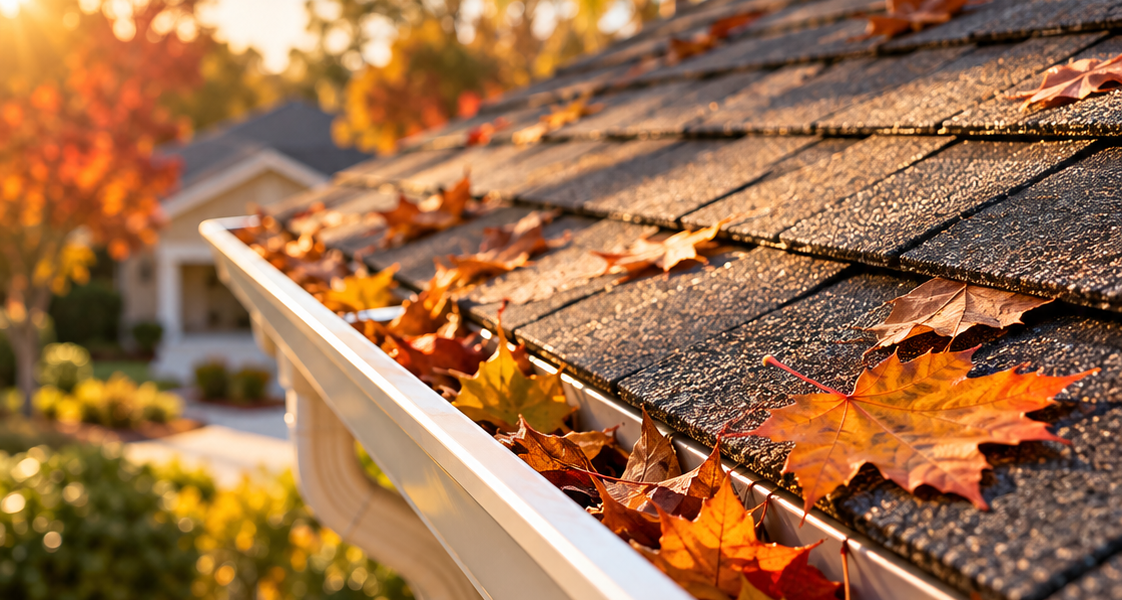
After months of summer storms, leaves, branches and other debris can accumulate in gutters and prevent water from draining properly. Look for gutters that are clogged, sagging, pulling away from the home or overflowing when it rains.
You should also make sure downspouts are clear and directing water away from the foundation.
Poor drainage can allow water to back up in places it shouldn’t, potentially leading to damage along the roofline and other areas of the home.
4. Flashing, Vents and Other Roof Penetrations
Some of the most vulnerable areas of a roof are the places where something interrupts the roofing system.
That includes vents, skylights, chimneys, pipes and other roof penetrations.
Flashing and sealants around these areas help prevent water from entering the home. Over time, flashing can loosen, sealants can deteriorate and small openings can develop.
If anything around these areas looks loose, damaged or separated, have a roofing professional take a closer look.
5. Water Stains or Moisture Inside Your Home
Not every roof problem is easiest to spot from outside.
Take a look at your ceilings and, if safely accessible, your attic. Watch for water stains, discoloration, damp areas, musty odors or other signs of moisture.
Pay particular attention after a heavy rain.
A small ceiling stain may seem minor, but water can travel before it becomes visible inside the home. The source of the leak may not be directly above the stain, which is another reason professional inspection can be helpful.
6. Overhanging Tree Limbs and Roof Debris
Central Florida’s mature trees provide plenty of shade, but they can also create problems for a roof.
Look for branches that are touching the roof or hanging directly over it. During storms and high winds, branches can scrape against roofing materials or fall onto the roof.
Leaves and other debris can also collect in roof valleys and interfere with proper drainage.
Keeping trees appropriately trimmed and removing accumulated debris can help protect the roof and keep water moving where it’s supposed to go.
7. Standing Water on Flat or Low-Slope Roof Areas
Some Florida homes have sections of flat or low-slope roofing, particularly over additions, porches or other areas of the home.
After a heavy rain, pay attention to whether water is draining properly.
Water that remains pooled on a roof can indicate a drainage issue or another problem with the roofing system. If you’re regularly noticing standing water, it’s worth having the area professionally evaluated rather than waiting for a leak to appear.
What Shouldn’t You Do? Climb Onto the Roof Yourself
A roof check doesn’t mean you need to get on the roof.
In fact, we don’t recommend homeowners climb onto their roofs to perform an inspection. Not only is there a risk of falling, but walking on certain roofing materials, particularly tile, can cause additional damage.
Many warning signs can be spotted safely from the ground, through a window or from inside the home.
If something doesn’t look right, call a roofing professional who has the equipment and experience to inspect the roof safely.
Don’t Wait for the Next Storm to Find the Problem
One of the worst times to discover a weak spot in your roof is during the next major Florida storm.
October is a great time to give your roof some attention. We’ve already made it through months of intense Florida summer weather, but hurricane season isn’t over yet.
A missing shingle, cracked tile, drainage issue or small leak may be easier to address now than after it has allowed water to enter your home and damage additional components of the roofing system.
If you notice something that doesn’t look right, or you’re simply not sure what you’re looking at, Florida Roofing Contractor can help. We’ll inspect your roof, identify potential problem areas and help you determine the appropriate next step, whether that’s maintenance, a repair or a larger roofing project.
Have questions about your roof? Give Florida Roofing Contractor a call.
Is your roof truly storm-ready?
Get a professional engineering assessment to identify potential uplift vulnerabilities before the next season starts.