The Hidden Damage Florida’s Summer Storms Leave Behind: What Homeowners Should Know

By David Leli
Commercial Roofing Consultant
Oct 9, 2026
6-minute read
Florida homeowners are no strangers to intense summer thunderstorms, heavy rainfall, high winds and extreme heat. While these conditions are part of life in the Sunshine State, they can take a significant toll on your roof.
As October arrives and Central Florida begins transitioning out of the peak summer storm months, it’s a good time to consider what those months of unpredictable weather may have left behind.
One of the biggest misconceptions about roof damage is that it’s always obvious. Missing shingles, fallen branches and visible leaks are clear warning signs, but some of the most concerning roofing problems aren’t immediately noticeable.
Just because your roof isn’t leaking doesn’t necessarily mean it hasn’t sustained damage.
Here’s what Florida homeowners should know about hidden roof damage and why identifying potential problems early can help prevent more expensive repairs.
1. Lifted or Loosened Shingles
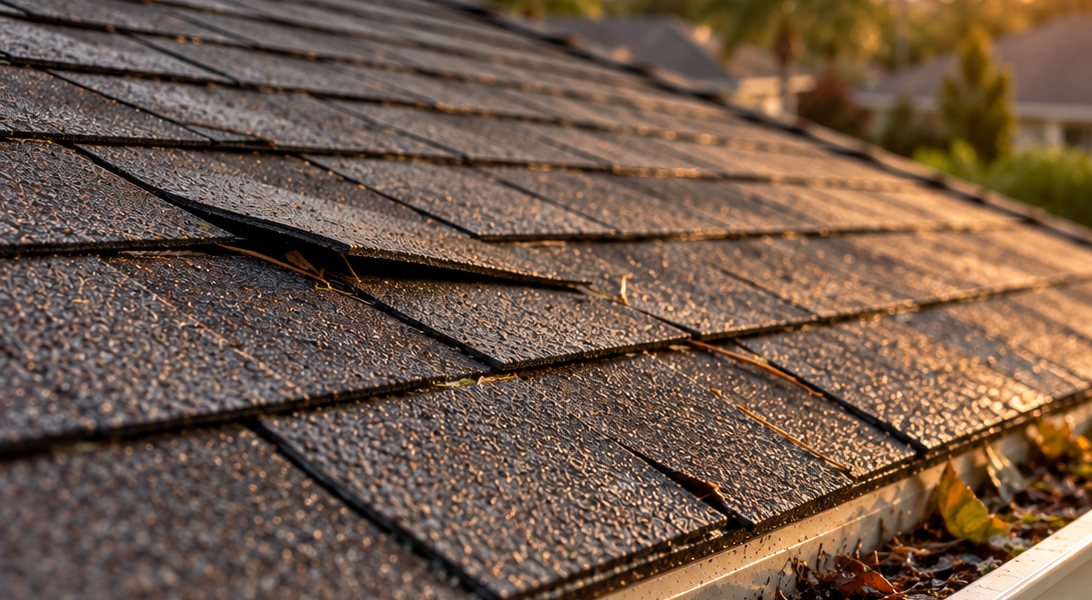
Strong thunderstorms can produce wind gusts capable of lifting or loosening asphalt shingles without completely removing them.
From the ground, your roof might appear perfectly intact. However, shingles that have lost their seal or become displaced may no longer provide the same level of protection against wind-driven rain.
Over time, these vulnerable areas can allow moisture to reach the roofing materials underneath.
What to watch for:
- Shingles that appear raised, curled or uneven
- Missing or damaged shingles
- Shingle granules collecting in gutters or near downspouts
- Water stains appearing on ceilings or walls
Tile roofs are popular throughout Central Florida because of their durability, appearance and ability to withstand the region’s climate.
Even minor shingle damage can become a larger issue when additional storms move through the area.
2. Cracked or Displaced Roof Tiles
However, concrete and clay tiles aren’t immune to storm damage.
High winds, flying debris and falling branches can crack, loosen or displace individual tiles. Some cracks may be difficult to identify without a closer inspection.
Although the underlayment beneath a tile roof provides an important layer of water protection, damaged or displaced tiles can expose that underlayment to additional weathering.
Over time, this exposure may accelerate deterioration and increase the risk of water intrusion.
What to watch for:
- Cracked or broken tiles
- Tiles that appear shifted or out of alignment
- Pieces of roofing tile on the ground
- Visible gaps in the tile roof
Homeowners should avoid walking on tile roofs, as improper foot placement can cause additional damage.
3. Damaged Flashing and Roof Penetrations
Some of the most vulnerable areas of a roof aren’t the shingles or tiles themselves.
They’re the places where different roofing components meet.
Flashing is used around roof penetrations and transitions to help direct water away from areas where it could enter the roofing system.
Common locations include:
- Plumbing vents
- Chimneys
- Skylights
- Roof-to-wall connections
- Valleys and other roof transitions
Repeated exposure to wind, rain and Florida’s intense sunlight can contribute to the deterioration of flashing, sealants and related roofing components.
When these areas become compromised, water may enter the roofing system even if the surrounding shingles or tiles remain in good condition.
Because these problems can be difficult to identify from the ground, a professional roof inspection can help determine whether repairs are needed.
4. Moisture Damage That Hasn’t Reached Your Ceiling Yet
Many homeowners associate roof leaks with water dripping from the ceiling or visible brown stains.
Unfortunately, water intrusion doesn’t always announce itself immediately.
Moisture can enter through a vulnerable area of the roof and travel along decking, framing or other building materials before becoming visible inside the home.
Depending on the location and extent of the intrusion, damage may develop before homeowners notice any obvious warning signs.
Potential indicators include:
- Musty odors in the attic
- Damp or discolored insulation
- Dark spots on roof decking
- Peeling paint near ceilings
- Unexplained indoor humidity or moisture
Left unaddressed, ongoing moisture intrusion can contribute to wood deterioration, damaged insulation and conditions that support mold growth.
The earlier a leak is identified and corrected, the better the opportunity to limit additional damage.
5. Clogged Gutters and Poor Roof Drainage
Florida’s summer storms don’t just bring heavy rain. They also bring leaves, branches and other debris that can collect on roofs and in drainage systems.
When gutters become clogged, water may overflow and affect fascia, soffits and other nearby building materials.
For homes and commercial buildings with low-slope or flat roofing systems, proper drainage is especially important.
Debris around drains and scuppers can prevent water from flowing off the roof efficiently, potentially contributing to standing water.
Persistent ponding water may accelerate roofing material deterioration and increase the risk of leaks.
What to watch for:
- Gutters overflowing during rainfall
- Vegetation growing in gutters
- Debris collecting around roof drains
- Water remaining on low-slope roofs long after rainfall
- Water stains near roof edges or exterior walls
Keeping drainage systems clear is an important part of protecting your roof throughout the year.
6. Damage From Months of Extreme Heat and UV Exposure
Storms aren’t the only weather-related threat to Florida roofs.
Throughout the summer, roofing materials are exposed to intense sunlight, high temperatures and frequent temperature fluctuations.
As materials heat up during the day and cool overnight, they expand and contract. Over time, this movement can contribute to wear, particularly in aging roofing systems.
UV exposure can also gradually deteriorate certain roofing materials, sealants and exposed components.
When these conditions are combined with frequent heavy rainfall, existing weaknesses may become more vulnerable to water intrusion.
This is one reason routine roof maintenance is important even when a property hasn’t experienced a major storm.
Why October Is a Good Time for a Roof Inspection in Central Florida
Although the most active summer storm months are behind us, Atlantic hurricane season officially continues through November 30.
That means Florida homeowners still have several weeks of potential tropical weather ahead.
October offers an opportunity to evaluate how your roof has performed through months of heat, wind and rain while addressing potential problems before additional storms arrive.
A professional roof inspection can help identify:
- Loose, damaged or missing roofing materials
- Deteriorated flashing and sealants
- Areas vulnerable to water intrusion
- Drainage problems
- Signs of aging or weather-related deterioration
- Repairs that may help extend the service life of your roof
Not every roofing concern requires a full replacement. In many cases, identifying and addressing localized damage early can help homeowners avoid more extensive repairs down the road.
Don’t Wait for a Leak to Find Out There’s a Problem
Your roof is one of your home’s most important lines of defense against Florida’s unpredictable weather.
After months of summer storms, high temperatures and heavy rainfall, even a roof that looks perfectly fine from the ground may benefit from a closer look.
Is your roof truly storm-ready?
Get a professional engineering assessment to identify potential uplift vulnerabilities before the next season starts.
Keep Reading