How Florida Heat Impacts Commercial Roofs (And What Property Owners Should Do Now)

By David Leli
Commercial Roofing Consultant
May 7, 2026
2-minute read
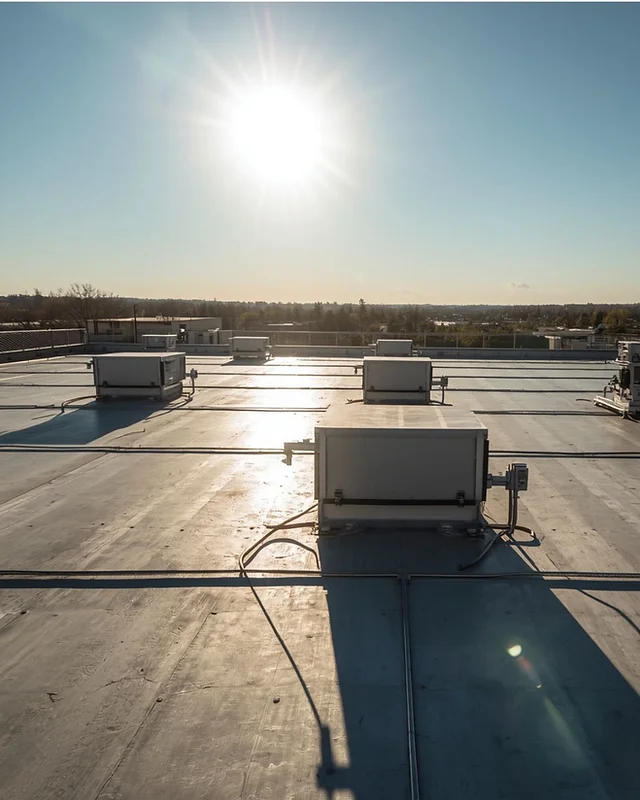
Florida’s climate is one of the toughest in the country for commercial roofing systems. Between intense UV exposure, daily temperature swings, and heavy rainfall, flat and low-slope roofs take a constant beating year-round.
If you own or manage a commercial property, understanding how heat affects your roof isn’t just helpful—it’s essential to protecting your investment.
Why Florida Heat Is So Hard on Commercial Roofs
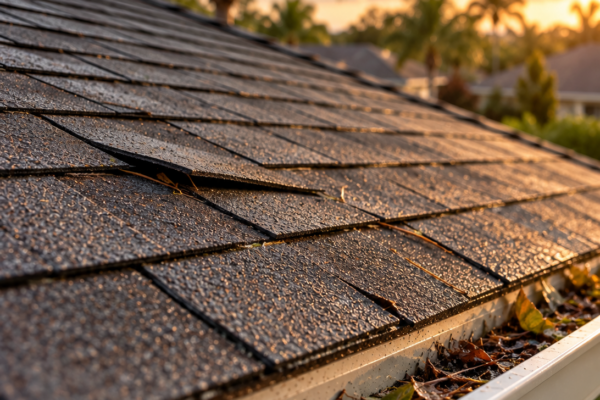
Commercial roofs—especially flat systems like TPO, PVC, or modified bitumen—are directly exposed to the sun all day long. Over time, this leads to several key issues:
- UV breakdown: Constant sun exposure causes roofing membranes to dry out, shrink, and crack
- Thermal expansion: Materials expand during the day and contract at night, stressing seams and flashing
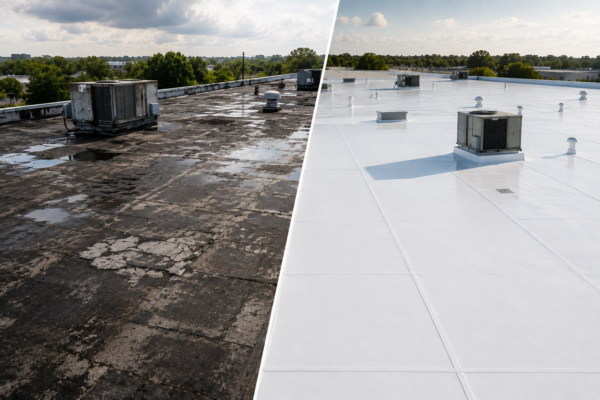
- Ponding water damage: Flat roofs often hold water, which accelerates deterioration and adds weight
This combination can shorten the lifespan of a commercial roof significantly if not properly maintained.
The Hidden Cost: Energy Loss
Heat doesn’t just damage your roof, it drives up your energy bills. Many commercial buildings lose efficiency because:
- Dark roofing materials absorb heat
- Poor insulation allows heat transfer indoors
- Aging membranes lose reflective properties
Modern roofing systems are designed to combat this with reflective surfaces and insulation, helping reduce cooling costs and improve overall efficiency.
Smart Solutions for Florida Commercial Properties
The good news: there are proven ways to extend the life of your roof and improve performance.
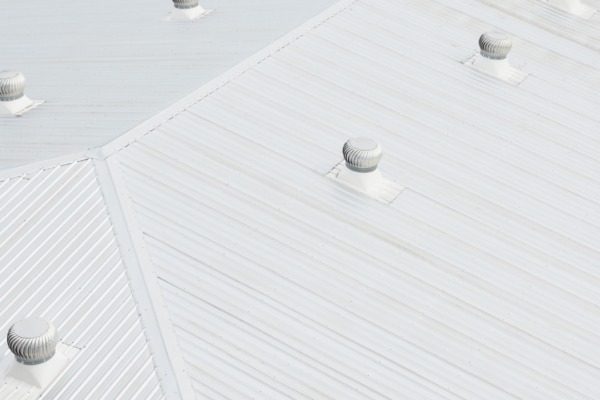
1. Install or Maintain Reflective Coatings Cool roof coatings reflect sunlight and reduce surface temperatures, helping limit UV damage and lower interior cooling costs.
2. Schedule Regular Inspections At minimum, commercial roofs should be inspected twice per year and after major storms to catch small issues early.
3. Address Drainage Issues Immediately Standing water is one of the fastest ways to ruin a flat roof. Keeping drains clear and ensuring proper slope is critical.
4. Invest in the Right Materials Systems like TPO, PVC, and modified bitumen are commonly used in Florida because they handle heat, moisture, and UV exposure well.
In Florida, heat isn’t just a seasonal issue, it’s a year-round stress test for your commercial roof.
Proactive maintenance, smart material choices, and regular inspections can mean the difference between a roof that lasts decades and one that fails early.
Is your roof truly storm-ready?
Get a professional engineering assessment to identify potential uplift vulnerabilities before the next season starts.
Keep Reading