Should You Replace a Tar and Gravel Roof With Another Tar and Gravel Roof in Florida?

By David Leli
Commercial Roofing Consultant
Sep 25, 2026
5-minute read
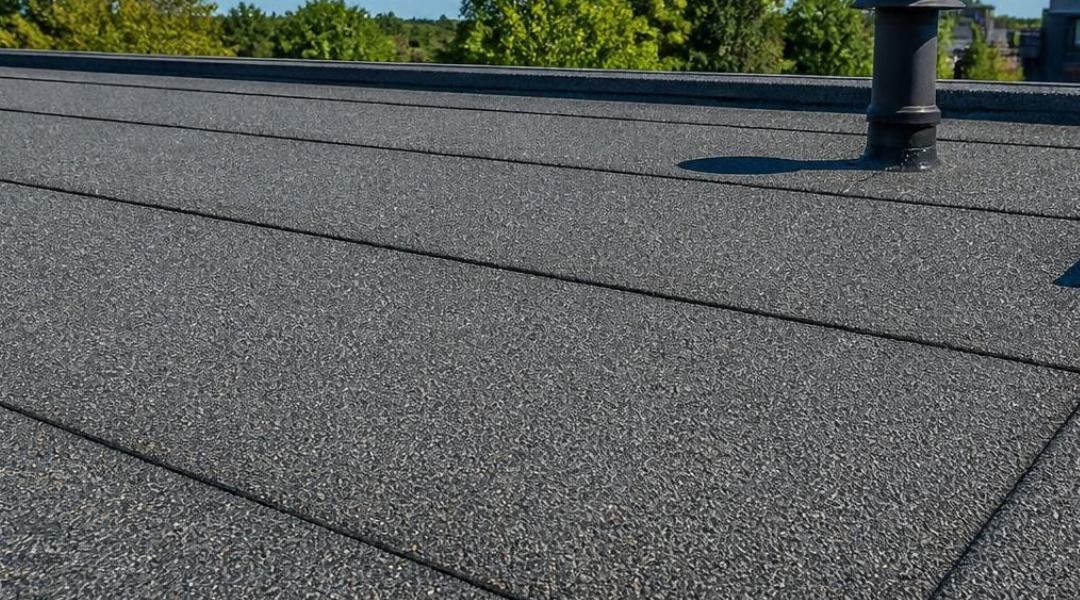
Tar and gravel roofs, also known as built-up roofing (BUR), have been used on flat and low-slope commercial buildings for decades. If your Florida property currently has a tar and gravel roof that is reaching the end of its service life, you may assume the simplest solution is to install another tar and gravel system.
In many cases, however, replacing an aging tar and gravel roof with another tar and gravel roof is not the option we recommend.
Depending on the condition of the existing roof, a complete tear-off and replacement or a transition to a more modern roofing system, such as TPO or modified bitumen, may provide a better long-term solution.
Why Tar and Gravel Roofs Can Be Challenging
Traditional built-up roofing typically consists of multiple layers of roofing felt and asphalt topped with gravel. These systems can be durable, but as they age, several issues can make repairs and reroofing more complicated.
One of the biggest challenges is identifying leaks. Water can travel between layers of an older roofing system before it becomes visible inside the building, making the actual source of a leak difficult to pinpoint.
Older roofs may also contain areas of trapped moisture, deteriorated roofing materials or damaged insulation that aren’t obvious from the surface.
Adding another roofing system over those problems doesn’t make them disappear.
Why We Generally Don’t Recommend Another Tar and Gravel System
Roofing technology has advanced considerably, and today’s commercial property owners have options that can offer excellent performance without simply recreating an older built-up roofing assembly.
There are also practical considerations when recovering an existing roof. Under the Florida Building Code, there are circumstances in which existing roofing must be removed rather than covered. For example, removal may be required when the existing roof is water-soaked or deteriorated, when multiple roof applications are already present or when the existing system cannot provide an adequate base for the new roof.
That is why the first step should always be evaluating the existing roof assembly.
Option 1: Complete Tear-Off and Replacement
For an older or significantly deteriorated tar and gravel roof, a complete tear-off is often the preferred approach.
Removing the existing system allows the roofing contractor to see what is actually happening underneath it. The roof deck can be inspected, damaged or wet materials can be identified and necessary repairs can be completed before the new roofing system is installed.
A tear-off can mean a larger investment upfront, but it also provides the opportunity to address underlying problems instead of covering them up.
Florida’s roofing requirements specifically recognize situations in which roof replacement rather than roof recovery is necessary, including when existing roofing components are water-soaked or deteriorated.
Option 2: Transition to a TPO Roofing System
TPO is one of the alternatives we may recommend for a low-slope commercial roof.
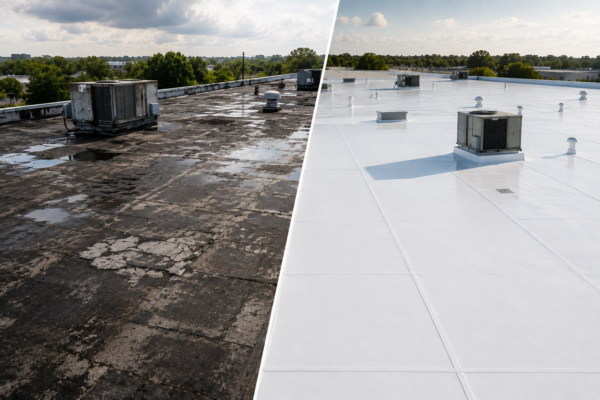
TPO, or thermoplastic polyolefin, is a single-ply roofing membrane that creates a continuous protective roofing surface. White TPO membranes are also highly reflective, which can be particularly attractive for commercial properties exposed to Florida’s intense sun.
Depending on the condition and construction of the existing roof, some approved TPO assemblies can even be installed as recover systems over properly prepared existing built-up roofing. Florida-approved roofing assemblies include examples of TPO systems installed over prepared gravel-surfaced asphaltic built-up roofs.
That doesn’t mean every tar and gravel roof can simply be covered with TPO. The existing roof must be evaluated to determine whether a recover is appropriate and whether the proposed assembly meets applicable code, product approval and manufacturer requirements.
Option 3: Modified Bitumen
Modified bitumen is another option that may make sense for Florida commercial properties.
Modified bitumen combines asphalt with modifiers that improve the membrane’s flexibility and performance. It is commonly used on low-slope roofing applications and can provide a durable solution for buildings where an asphalt-based membrane system makes sense.
The right choice between modified bitumen, TPO and another approved system depends on the building, existing roof condition, drainage, insulation, budget and long-term plans for the property.
Can You Install a New Roof Over an Existing Tar and Gravel Roof?
Sometimes, but this is not a decision that should be made based on cost alone.
Roof recovery can be appropriate when the existing roof is structurally sound and meets the requirements for the new roofing assembly. Manufacturers provide specific preparation requirements for recovering gravel-surfaced built-up roofs, which can include removing loose gravel and installing an appropriate cover or recovery board.
In other situations, a tear-off is the better option or may be required.
Before recommending either approach, a roofing contractor should evaluate factors including:
- Number of existing roofing systems
- Moisture or water damage
- Condition of the existing membrane and insulation
- Roof deck condition
- Drainage and ponding water
- Wind-uplift requirements
- Compatibility with the proposed new roofing system
- Applicable Florida Building Code and product approvals
Don’t Automatically Replace an Old Roof With the Same System
Just because your building currently has a tar and gravel roof doesn’t mean another tar and gravel roof is the best choice.
For many Florida commercial properties, an aging built-up roof presents an opportunity to evaluate newer roofing options. A complete tear-off may allow underlying issues to be corrected, while systems such as TPO or modified bitumen may provide a more practical long-term solution.
Our goal isn’t simply to put another layer on your building. It’s to determine which roofing solution makes the most sense for the property, Florida’s climate and your long-term investment.
If your commercial property has an aging tar and gravel roof, contact The Florida Roofing Contractor for a roof assessment and recommendations for your next roofing system.
Is your roof truly storm-ready?
Get a professional engineering assessment to identify potential uplift vulnerabilities before the next season starts.