Can a Roof Be Inspected Without Walking on It? What Florida Homeowners Should Know

By David Leli
Commercial Roofing Consultant
Aug 14, 2026
3-minute read
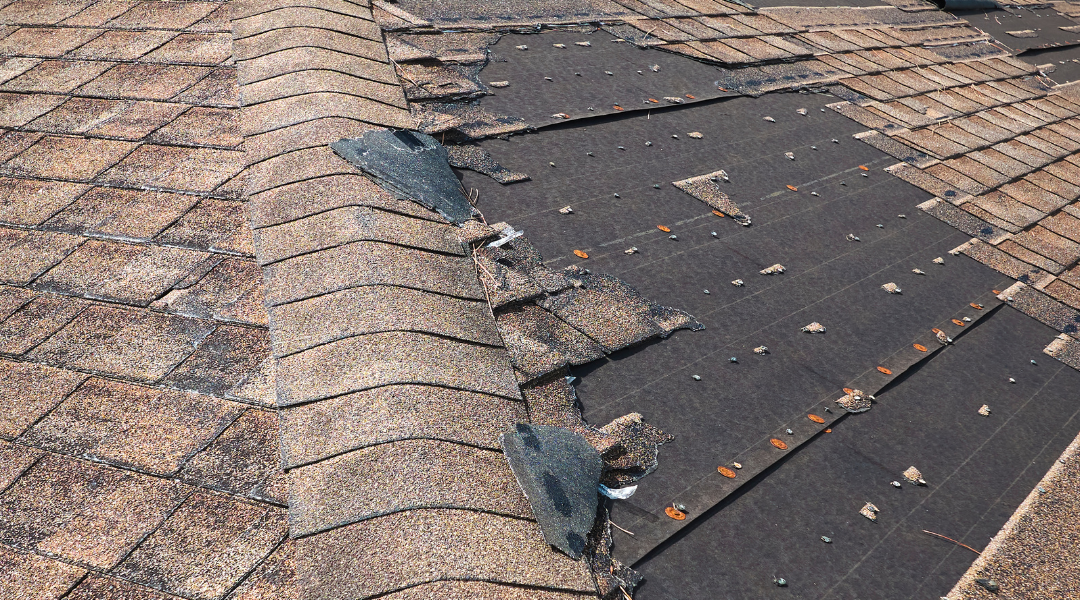
When you schedule a professional roof inspection in Florida, you might assume the roofing contractor has to climb onto the roof and walk every section to determine its condition.
While hands-on inspections can be valuable, they aren’t always necessary or even the best first step.
Today’s roofing professionals can use several methods to evaluate a roof without walking across the entire surface. The right approach depends on the roofing material, pitch, condition, accessibility and reason for the inspection.
Why Would a Roofer Avoid Walking on a Roof?
There are several reasons a roofing contractor may decide not to walk a roof, including:
- A steep or complex roof pitch
- Wet or slippery conditions
- Fragile or damaged roofing materials
- Tile, slate or other materials that could be damaged by unnecessary foot traffic
- Signs of structural deterioration
- Areas that are difficult to access safely
The goal of a roof inspection isn’t simply to get onto the roof. It’s to gather enough information to accurately evaluate the roofing system and identify potential problems.
Can You Inspect a Roof With a Drone?
Yes. Drone technology has become a useful tool for professional roof inspections.
High-resolution photos and video can provide detailed views of areas that may otherwise be difficult to access. A drone roof inspection may help identify missing or damaged materials, debris, flashing concerns, drainage problems and visible storm damage.
Drones are particularly useful for steep, large or complex roofs because they allow a roofing professional to evaluate the overall roofing system before determining whether closer physical inspection is necessary.
What Can a Roofer See From the Ground?
Experienced roofing contractors can identify quite a bit before ever stepping onto a roof.
From the ground, a roofer may be able to spot missing shingles or tiles, damaged roof edges, sagging areas, gutter problems, debris and other visible signs of deterioration.
Ground-level observations can also help determine which areas deserve a closer look.
A Roof Inspection Should Include More Than the Roof Surface
A thorough roof inspection isn’t limited to the exterior.
When accessible, the attic can provide important clues about what’s happening with the roofing system. Water staining, moisture, damaged decking, ventilation problems and daylight coming through areas where it shouldn’t can all point to problems that may not be obvious from outside.
When Does a Roofer Need to Walk the Roof?
Technology is useful, but it doesn’t completely replace an experienced roofing professional.
There are situations where direct access allows a roofer to closely examine flashing, penetrations, seams, fasteners, roofing materials and areas where leaks or damage are suspected.
The best professional roof inspection may ultimately combine several methods: ground-level observations, drone imagery, an attic inspection and physical roof access where appropriate.
The Best Roof Inspection Method Depends on Your Roof
There isn’t one inspection method that’s right for every Florida property.
Roof type, pitch, age, condition, materials and accessibility all play a role in determining the appropriate approach. A professional roofing contractor should evaluate those factors before deciding how an inspection should be performed.
The Florida Roofing Contractor provides residential and commercial roofing services throughout Central Florida, including professional roof assessments for property owners concerned about leaks, storm damage, aging materials or other roofing issues.
If you’re concerned about your roof, don’t climb onto it yourself. Call 407-492-5256 to schedule a professional roof inspection.
Is your roof truly storm-ready?
Get a professional engineering assessment to identify potential uplift vulnerabilities before the next season starts.
Keep Reading